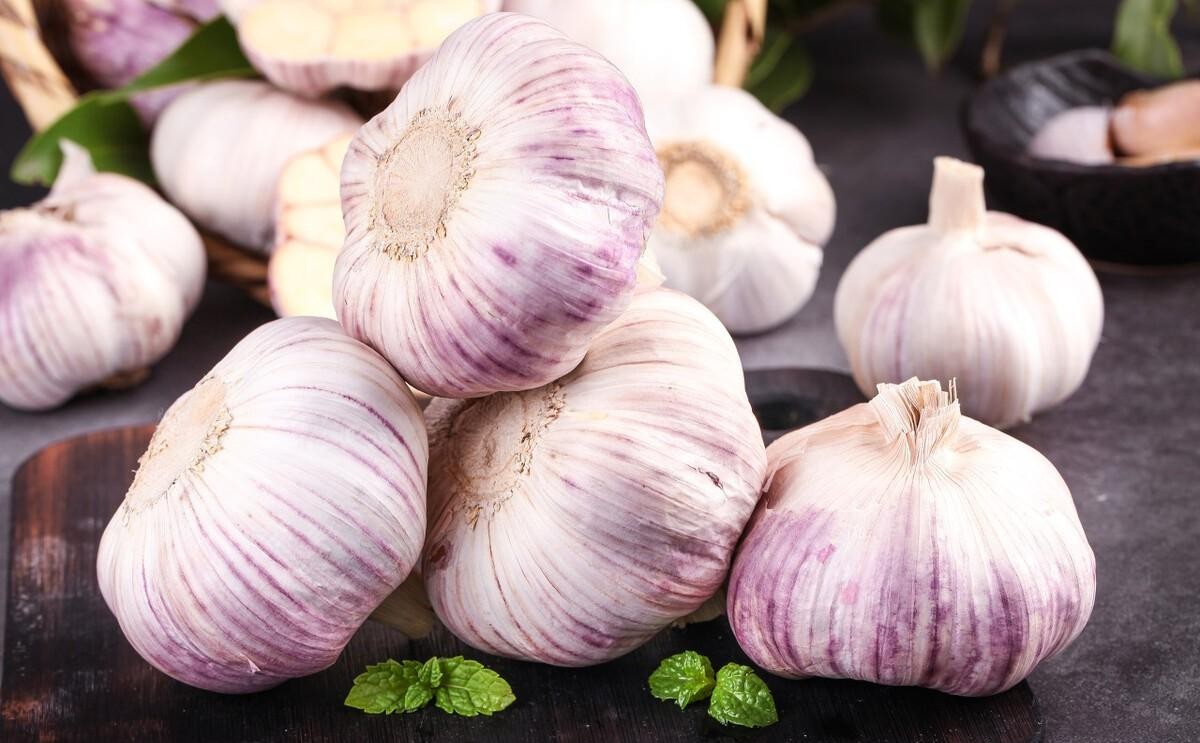
 The garlic market is currently in an overall state of oversupply, with prices continuing to hover around the break-even line. Despite relatively stable demand in the international market, sluggish domestic demand and high inventory pressure have kept the overall market outlook gloomy.
The Red Sea situation has exerted a notable impact on shipping efficiency and costs, with shipping schedules for Red Sea routes being significantly extended at present. Taking Tunisia as an example, the shipping cycle, which used to take a little over a month, now generally lasts two to two and a half months. Meanwhile, sea freight rates have fluctuated sharply: freight rates for routes around the Red Sea once exceeded 6,000 US dollars per container a while ago, and have now fallen back to over 4,000 US dollars. As the off-season is expected to set in by March, freight rates are likely to decline further.
In terms of prices, the overall garlic market has remained relatively stable, but profit margins are limited. At present, the price of stored garlic stands at 5.2-5.4 RMB per kg, and with processing, warehousing, logistics and other costs added, the selling price is about 6.0 RMB per kg, basically at the break-even point or even a slight loss. Overall, there is almost no obvious profit in the industry at present.
From the perspective of supply and demand structure, inventory pressure remains the core issue of the market. Under normal circumstances, garlic is harvested by the end of May, with the new crop sold from June to August; after the weather turns cold in September, garlic is stored in cold storage, and then the stored garlic is the main supply until April of the following year. Although the sales period of stored garlic has already passed the halfway mark, the national inventory still stands at around 2.9 million metric tons.
At this stage of sales, the inventory should be around 1.5 million metric tons, but the current figure is significantly higher, and the oversupply pattern in the market is difficult to reverse in the short term. With prices hovering near the break-even line, market players are generally reluctant to make advance purchases and are adopting a wait-and-see attitude.
Regarding the market outlook, if inventory cannot be effectively digested, garlic prices in China are highly likely to drop significantly after the Spring Festival, bringing considerable pressure to both the domestic and export markets. Overall, against the backdrop of high inventory and weak demand, the garlic market still faces adjustment pressure in the short term, and the price trend remains to be seen.